The digital world is undergoing rapid transformation, with concepts like Web3 and the Metaverse promising to reshape how we interact with the internet. While they might seem similar at first glance, these two technologies are distinct in both their goals and the technologies behind them.
Understanding these differences is crucial for anyone interested in the future of the internet. Let’s break down what each of these terms means, how they function, and what makes them unique.
1. What Is Web3?
Web3 is a term used to describe the next phase of the internet, focused on decentralization, user ownership, and blockchain technology. Unlike the current web (Web2), where companies like Google, Facebook, and Amazon dominate the flow of information, Web3 aims to give control back to individual users.
This new version of the internet is built on decentralized networks, where users can own and control their data. For those interested in the underlying technologies of Web3, crypto mining blogsoffer valuable insights into the processes that power blockchain networks.
Key Features Of Web3:
- Decentralized Control: Web3 eliminates intermediaries and central authorities. Instead of relying on one entity to manage and govern a platform, control is distributed among users through decentralized networks.
- Blockchain Technology: Blockchain, the backbone of Web3, is a distributed ledger that records transactions in a secure and transparent manner. This enables users to maintain ownership of their data and digital assets. One exciting application of blockchain technology is blockchain for food, which allows for better tracking and transparency in food supply chains, ensuring safer and more sustainable practices.
- Smart Contracts: These self-executing contracts with the terms of the agreement written into code are a key feature of Web3. They allow users to interact with digital services without needing intermediaries.
Web3 enables new ways to conduct business, create value, and interact online, emphasizing privacy, security, and autonomy.
2. What Is The Metaverse?
The Metaverse is a collective virtual shared space, created by the convergence of virtually enhanced physical reality and persistent virtual worlds. It is an immersive digital environment where users can interact with each other and the digital world in real-time. The Metaverse encompasses virtual reality (VR), augmented reality (AR), and even physical elements, providing an interconnected virtual world.
Key Features Of The Metaverse:
- Immersive Virtual Experiences: Users can interact with each other and their environment in 3D spaces, often using VR headsets or AR glasses. The Metaverse aims to be an all-encompassing, immersive experience that feels real.
- Persistent Worlds: Unlike traditional video games where the world resets after you log off, the Metaverse is a persistent world that continues to evolve and grow, even when you’re not logged in.
- Digital Economy: The Metaverse supports its own digital economy, where users can buy, sell, and trade virtual goods and services. Virtual assets such as NFTs (Non-Fungible Tokens) are common in the Metaverse.
The Metaverse is about creating a digital reality that mirrors our physical one, offering immersive experiences across entertainment, work, and social activities. For those who enjoy engaging in mental challenges, puzzle games for adultscan offer a fun and stimulating way to spend time in these digital environments.
Web3 Vs. Metaverse
While Web3 and the Metaverse both focus on decentralization and virtual experiences, they differ significantly in their goals and functionalities.
1. Technology Vs. Experience
- Web3: Focuses on decentralizing the internet through blockchain technology. It’s about the infrastructure and protocols that make the internet more secure, private, and user-controlled.
- Metaverse: Focuses on creating a shared virtual space where users can interact in 3D environments, often powered by VR and AR technologies. It’s about the immersive experience, integrating both physical and digital worlds.
2. Decentralization
- Web3: It is inherently decentralized, relying on blockchain to remove central authorities from control. Users own their data and digital assets, and they interact directly with decentralized networks and platforms.
- Metaverse: While some Metaverse projects may use blockchain for decentralization, many platforms are still centralized, controlled by the companies that build them. However, there’s an ongoing push toward decentralizing the Metaverse as well.
3. Focus
- Web3: The primary focus of Web3 is about rebuilding the internet’s infrastructure to prioritize privacy, ownership, and decentralized control.
- Metaverse: The focus is on creating a persistent, immersive, and interconnected virtual world for social interaction, entertainment, and work.
4. Interaction With Users
- Web3: Users interact primarily through decentralized applications (dApps), smart contracts, and blockchain technology. Their data is stored securely and under their control.
- Metaverse: Interaction happens in virtual environments using avatars, where users can socialize, play, work, and engage with virtual assets in a 3D space.
The Role Of Blockchain In Web3 And The Metaverse
Blockchain technology plays a central role in both Web3 and the Metaverse, but in different ways.
Blockchain In Web3:
Web3 is entirely built around blockchain technology. Blockchain ensures that data is decentralized, encrypted, and immutable. It empowers users with the ability to own and control their data without relying on intermediaries.
Additionally, blockchain enables the creation of digital assets like NFTs, allowing users to own, trade, and sell their creations in the digital world.
Blockchain In The Metaverse:
While not every aspect of the Metaverse relies on blockchain, many Metaverse projects are increasingly adopting blockchain to enable decentralized ownership of digital assets, such as virtual land, NFTs, and in-game items.
Blockchain ensures that these assets are secure, unique, and verifiable. It’s also the foundation for the digital economy within the Metaverse, supporting the exchange of virtual goods and services.
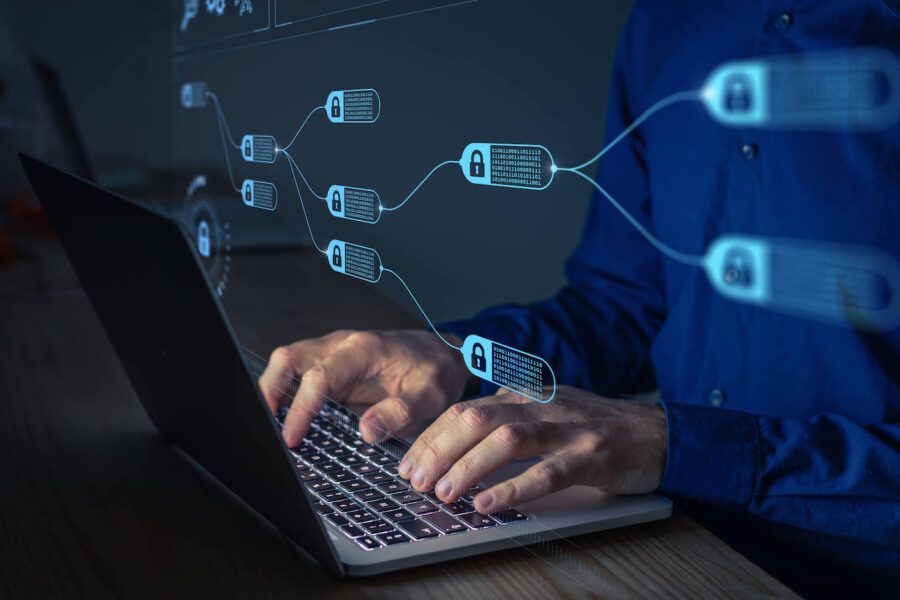
How Web3 And The Metaverse Shapes The Future Of The Internet
Both Web3 and the Metaverse are set to revolutionize how we interact with the internet, creating new possibilities for digital ownership, social interaction, and immersive experiences.
Web3's Impact On The Future:
- Decentralized Ownership: Web3 will enable a new form of digital ownership where users are no longer dependent on centralized platforms for access to their data, assets, and identities.
- New Business Models: Web3 allows for the development of decentralized finance (DeFi) systems and decentralized applications (dApps), changing how businesses operate online.
- Greater Privacy and Security: By leveraging blockchain and cryptography, Web3 promises enhanced privacy, with users controlling their data and how it’s shared online.
The Metaverse's Impact On The Future:
- Immersive Digital Workspaces: The Metaverse is poised to reshape remote work by offering virtual offices where employees can interact and collaborate in 3D spaces, simulating real-world office environments.
- Social Transformation: Social interaction in the Metaverse will redefine how we connect with others. Users will be able to meet, collaborate, and interact with people from around the world in virtual spaces.
- Virtual Economies: The Metaverse is paving the way for virtual economies where users can monetize their creations, whether digital art, games, or virtual real estate.
FAQs
Is VR A Web3 Technology?
Augmented Reality (AR) and Virtual Reality (VR) are two technologies that help form the foundation of Web3.
What Is An Example Of A Web3?
One example of Web3 technology is non-fungible tokens (NFTs) that can represent ownership of digital assets such as artwork, music, and collectibles. NFTs provide a way for creators to monetize their digital creations and for collectors to own unique, verifiable digital assets.
Can The Metaverse Exist Without Web3?
While the Metaverse can function without Web3, Web3 technologies, particularly blockchain, can enhance the Metaverse by providing decentralized control over digital assets and ensuring secure, transparent transactions.
What Are The Potential Risks Of Investing In Metaverse Or Web3 Projects?
Investing in Metaverse or Web3 projects carries risks, including market volatility, regulatory uncertainty, and the potential for scams or fraud. It's essential to do thorough research and understand the risks involved before investing.
Final Words
Web3 and the Metaverse are both futuristic technologies that aim to reshape the digital landscape. Web3 is about decentralizing the internet, giving users control over their data and interactions, while the Metaverse focuses on creating immersive virtual worlds where users can interact and experience digital environments in new ways.
Together, these technologies will likely complement each other, driving the evolution of the internet and offering new possibilities for both personal and professional digital experiences.